REGULATORY
The Cable Wars: Senate Moves to Hit Back
Senate hearing on Baltic Sea attacks builds bipartisan momentum for mandatory sanctions against foreign undersea cable saboteurs
4 Jun 2026
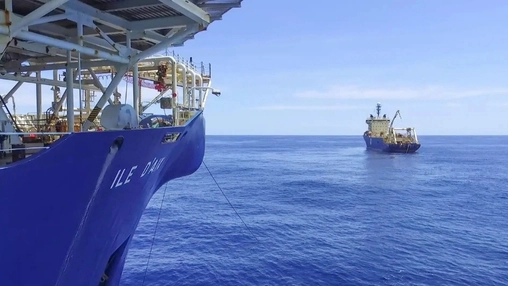
Beneath the Baltic Sea, fibre-optic cables carrying a significant share of global communications have been cut, dragged, and severed at least eight times since 2022. On April 30th, the Senate Foreign Relations Committee convened to consider what that pattern means, and what America intends to do about it.
The answer, for now, is legislation. The Strategic Subsea Cables Act, which cleared the committee unanimously in January, would require the president to impose mandatory sanctions on foreign individuals who damage subsea cables, including bans on US market access and visa revocations. Senate Majority Whip John Barrasso, a co-sponsor, pressed for a full floor vote. Private companies hardening cables against attack, he argued, need Congress to act as a legislative backstop.
Attribution is the central difficulty. Russian vessels implicated in the Baltic incidents have typically used anchor-dragging, a method designed to look accidental. Finnish authorities seized a St. Petersburg-registered cargo ship found dragging its anchor near a damaged Finland-to-Estonia cable, opening a criminal investigation. Ranking Member Sen. Jeanne Shaheen drew the harder conclusion. Russia's vessels, she argued, are still moving freely, and revenue is still flowing. The gap between the pattern of attacks and the pace of enforcement is not narrow.
Benjamin Schmitt, a senior fellow at the University of Pennsylvania, offered independent backing for the legislation, calling it an essential deterrent given that attribution for cable attacks takes weeks and proving intent under existing legal frameworks remains difficult. Deterrence, the argument runs, must precede proof.
The Indo-Pacific dimension sharpens the stakes further. A companion bill, the Critical Undersea Infrastructure Resilience Initiative Act, received expert support at the hearing to cover cables vital to Taiwan's national security. Chinese vessels have been linked to roughly 30 cable incidents around Taiwan over the past four years.
Bipartisan consensus and expert testimony rarely align so tidily in Washington. Whether that alignment survives the Senate floor is a different matter.
Related News


SUBSCRIBE FOR UPDATES
By submitting, you agree to receive email communications from the event organizers, including upcoming promotions and discounted tickets, news, and access to related events.